

The history and cultural significance of Turkish canapes Turkish sofas have been a staple of Turkish culture for centuries. They have become a symbol of hospitality and friendliness, as well as an essential element of Turkish interior design. Yet few know the fascinating history of these iconic pieces of furniture. In this article we will explore the history of Turkish sofas, from their origins to their current evolution. We will see how this furniture has become an integral part of Turkish culture, as well as the characteristics and styles that have made it so popular. By examining the history of Turkish sofas, we will discover their importance in the daily and cultural life of Turks, as well as their impact on modern interior design.
The origins of Turkish sofas
The origins of Turkish sofas date back to the Ottoman Empire, which ruled much of Europe, Asia and North Africa for almost six centuries, from the 14th to the 20th century. The Ottomans were known for their cultural sophistication, artistic sophistication and love of comfort. They thus developed elegant and comfortable furniture for their palaces and homes.
The first Turkish sofas were called “divans” and were used as seats for sultans and dignitaries. Sofas were often made of carved wood and covered with embroidered silk cushions. They were placed against the walls and also served as beds for guests. Sofas were often set up in reception rooms called “living rooms,” where guests were welcomed to chat, entertain and eat meals.
Over time, sofas were adapted for use in more modest homes, with simpler materials such as rough wood and cotton. The designs also diversified to include more elaborate styles, with geometric, floral and calligraphic motifs.
In the 19th century Turkish sofas became popular in Europe, where they were considered a sign of sophistication and exoticism. European designers began to create lighter, more elegant versions of Turkish sofas, which were incorporated into Orientalist-style interiors.
Today, Turkish sofas continue to be appreciated for their comfort and style, both in Türkiye and around the world. Modern designs include materials like leather, velvet, and fabric, as well as more streamlined, contemporary styles.
Characteristics of traditional Turkish sofas
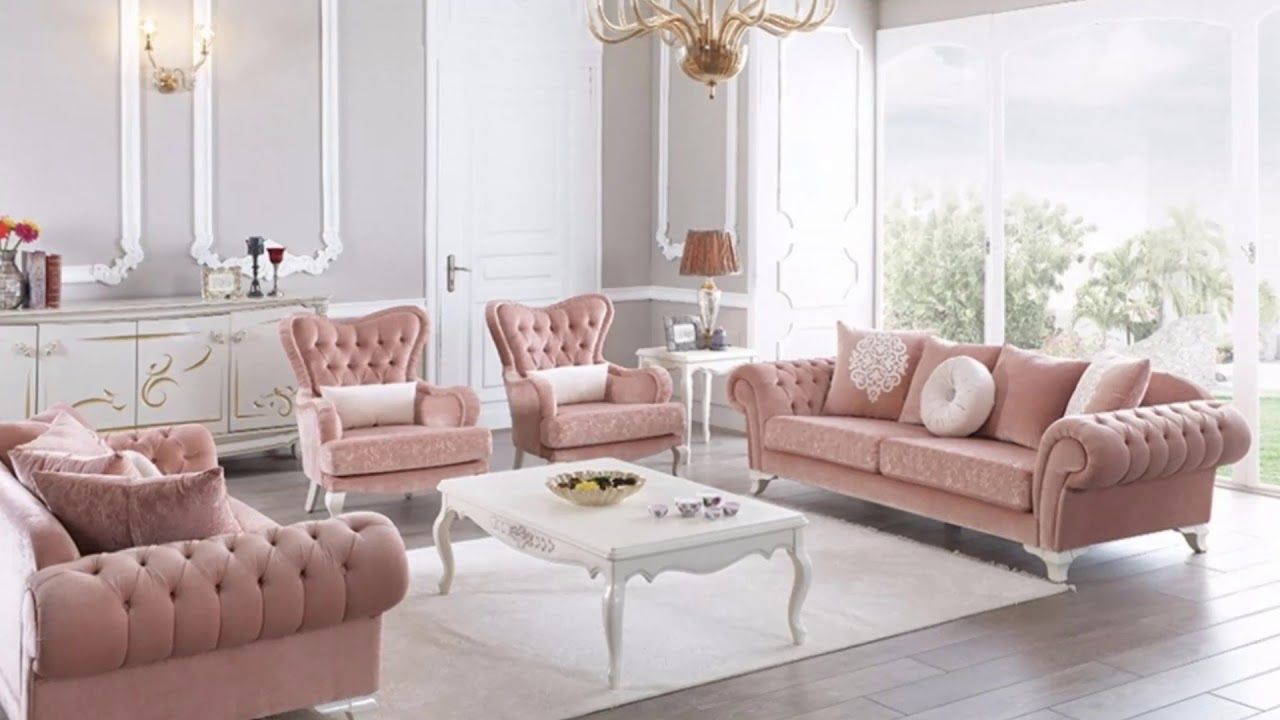
Traditional Turkish sofas, or “couches,” have distinct characteristics that make them unique. Here are some of the most common features of traditional Turkish sofas:
Low structure
Traditional Turkish sofas are generally low and legless, with the frame resting directly on the floor. This allows users to sit comfortably on the floor without the need for additional chairs or cushions.
High armrests
Traditional Turkish sofas often have high armrests that slope slightly inward for maximum comfort. The armrests also act as support for the back cushions, which are usually stacked against them to create a comfortable seat.
Cushions
Traditional Turkish sofas are often covered with cushions of different sizes and thicknesses to provide maximum comfort. Pillows are often made of embroidered silk, velvet or cotton.
Decorative motifs
Traditional Turkish sofas are often decorated with intricate decorative designs, such as geometric, floral and calligraphic designs. The designs are often hand-embroidered or woven into the sofa fabric.
Flexibility
Traditional Turkish sofas are often modular and can be rearranged to suit different room layouts. The cushions can be removed and stacked to form additional beds or seating.
These features have evolved over time to include more modern designs adapted to current needs and tastes. However, they continue to play an important role in Turkish culture and in the furnishing of homes and public spaces in Türkiye and around the world.
The adaptation of Turkish sofas to modernity
While traditional Turkish sofas are loved for their comfort and style, they may seem dated to some modern consumers. That’s why Turkish designers have started creating more contemporary versions suited to current tastes, while still preserving the distinctive features of traditional Turkish sofas.
Here are some of the ways Turkish sofas have been adapted to modernity:
Use of modern materials
Turkish designers today use a wide variety of modern materials for Turkish sofas, such as leather, velvet, suede and synthetic fabric. Modern materials offer a greater variety of colors, patterns and textures for Turkish sofas.
Clean designs
Modern Turkish sofas often have a clean, minimalist design, with clean lines and simple shapes. This allows modern Turkish sofas to adapt to a wide variety of interior design styles, from modern to traditional.
Improved comfort
Modern Turkish sofas often have thicker and softer padding than traditional models, offering greater comfort. Modern designers also use advanced manufacturing techniques to create more durable and durable Turkish sofas.
Modular models
Modern Turkish sofas are often designed to be modular, allowing users to rearrange them to fit different room layouts. Modular models are also easier to transport and install than traditional models.
Incorporation of new technologies
Some Turkish designers have integrated modern technologies into Turkish sofas, such as USB ports for charging cell phones or built-in speakers for playing music.
By incorporating modern elements while maintaining the distinctive characteristics of traditional Turkish sofas, Turkish designers have managed to create Turkish sofas that appeal to a wider audience, while retaining their cultural heritage.
The different options for modern Turkish sofas
In addition to traditional Turkish sofas, today there is a wide variety of sofa styles, designed to suit all tastes and furnishing needs. Convertible sofas have become very popular for their functionality and practicality, while Scandinavian sofas stand out for their elegant design and Nordic style. Faux leather sofas are also in high demand due to their elegant appearance and easy maintenance. Corner sofas, sofa beds, ottomans and chaise lounges are other common options that can offer a wide variety of features and configurations. Regardless of your sofa choice, it is important to consider factors such as the size of the room, furnishing style and available budget, to find the perfect sofa suited to your needs and personal tastes.
In conclusion, Turkish sofas have a long history and deep cultural significance in Türkiye. Although they have evolved over time to adapt to modernity, traditional Turkish sofas continue to be made and used today. Their importance in Turkish culture lies in their ability to bring people together, provide a space for relaxation and socialization, as well as representing Turkey’s cultural heritage and national pride. Turkish sofas are an essential part of Turkish cultural identity and their preservation is important to keep this tradition alive and vibrant for future generations.
latest posts published

How to use corner shelves to optimize space

Current bedding trends and how to do it
10 tips to keep your carpet looking new
Are the sofa beds intended for daily use?

Ideas for decorating the children’s bedroom

Tables best suited to small spaces or

Tables and chairs current design trends

Which sofa to choose when you have a cat?

How to remove stains from carpet?
