

Rugs add warmth, comfort and style to a home. However, residue left from dirty shoes, spilled food and drinks, or pets causes stains. Ideally, every type of stain, from mud to pet accidents to coffee spills, should be treated immediately or as soon as possible. So how do you remove stains from carpet? Learn from this article how to remove stains from carpets, why some stains reappear, and how to prevent them from recurring.
Methods for removing stains from carpet
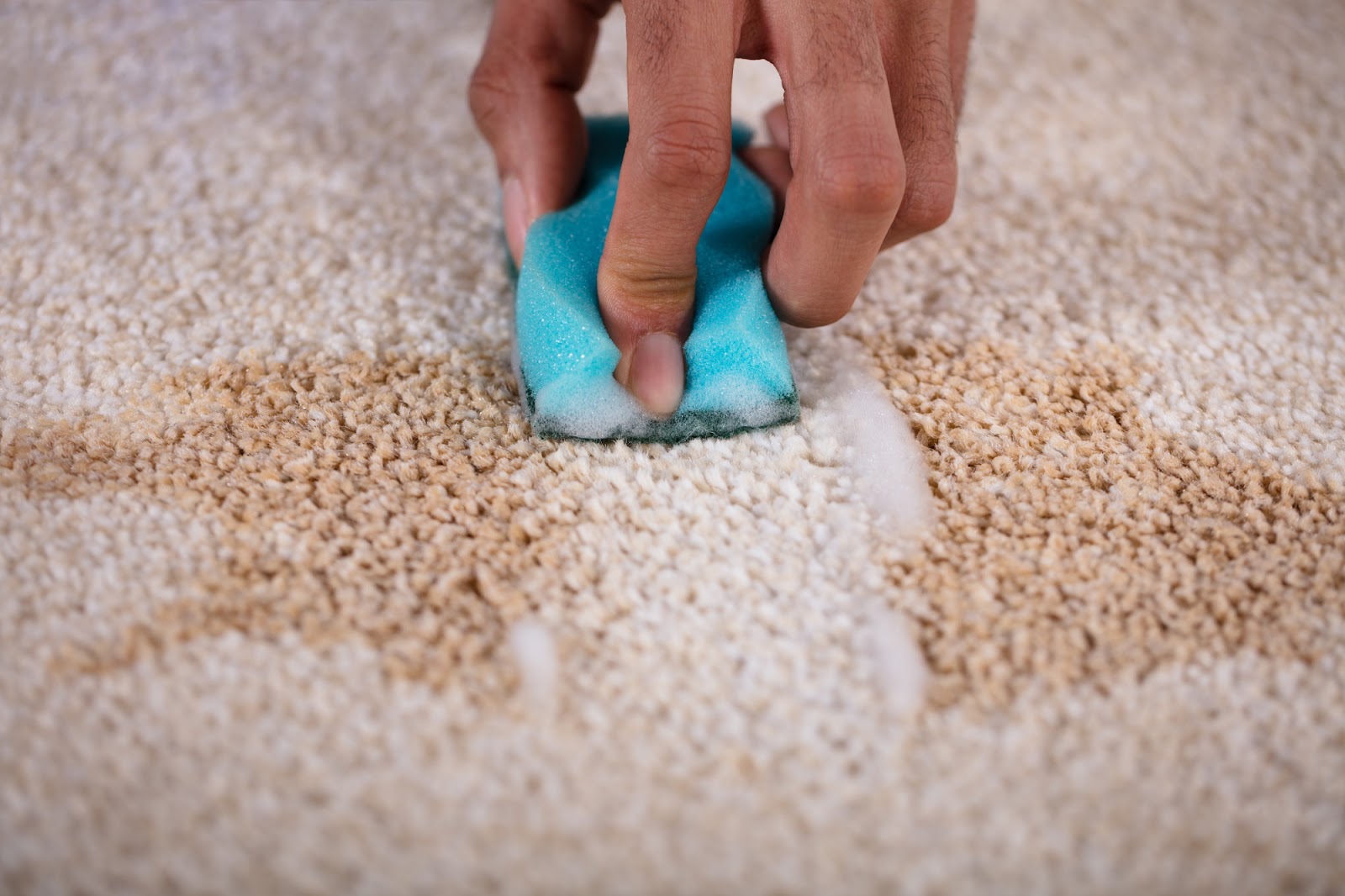
Lift and dry
Lift or blot any fresh stains. If the stain remover is solid or semi-solid, such as mud, pet feces, or mustard, remove it. Never rub the stain. Use the edge of an old credit card or a thin putty knife to remove stained material from carpet fibers or paper towels if you swab. Rubbing will push the stain deeper into the fibers, making it harder to remove. Aggressive scrubbing can also fray the top of the carpet fibers. This can change the appearance of the carpet in the stained area even after the stain is removed.
For liquid stains, use white paper towels or a microfiber cloth to absorb as much moisture as possible. Again, do not rub. Apply pressure and dab the area, moving frequently to fresh paper towels or a dry section of cloth.
Identify the stain
Knowing what caused the stain is the first step in removing it. If you weren’t there when it happened, use your detective skills to find the culprit. A stain generally offers three clues including the location, odor and color of the stain. Every clue you solve will help you treat the stain correctly.
Remove recognizable stains from the carpet
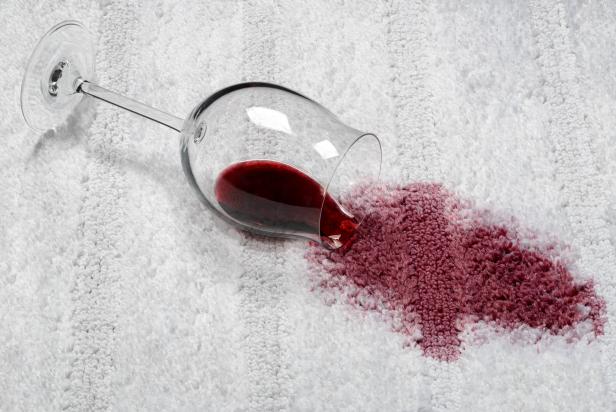
If you know what caused the stain on your carpet, follow the stain removal chart to remove the stain. Here are some helpful guides for removing the five most common and difficult stains from carpets:
- Accidents with animals
- Red wine
- Cafeteria
- Ink
- Nail polish
Remove stains from carpet with a homemade stain remover
Many carpet stains can be removed with a simple solution of dish soap such as Dawn, white vinegar and water. Mix 1 tablespoon dish soap with 1/4 cup white vinegar and 2 cups water. Apply the solution to the carpet from the outside of the stain inward to prevent it from spreading. Blot with a damp cloth to remove soap residue, air dry completely, then vacuum to lift carpet fibers.
Remove stains from carpet with a commercial stain remover
If you use a commercial carpet stain remover, follow the instructions on the product carefully. If the stain is old, give the product more time to work. Always finish by vacuuming the newly cleaned area to lift the carpet fibers. Repeat the steps if the stain is still present after the carpet dries.
Removing stains from old carpets
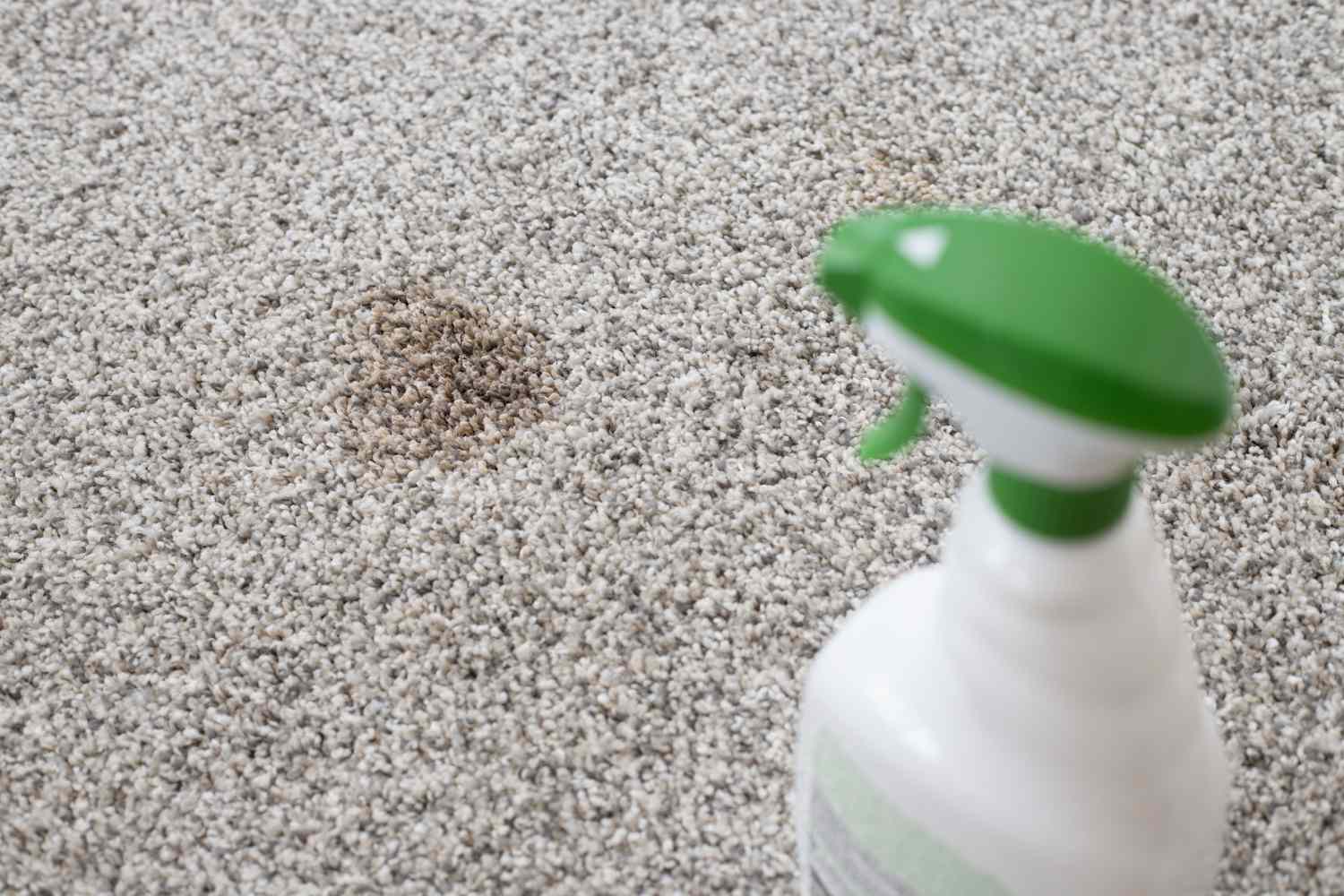
If commercial stain remover or homemade carpet cleaner didn’t remove the stain or the stain is older, it’s time to up your game.
- Mix a solution of oxygen bleach and cold water according to the package directions
- Dip a clean cloth in the solution and, working from the outer edge of the stain towards the center, spread the solution over the carpet.
- Leave the solution on the stain for at least an hour before blotting with a dry cloth.
- Allow the carpet to dry completely and vacuum to restore the pile.
What to do if carpet stains reappear?
You accidentally spill something on the carpet and it leaves a stain. You clean the stain and it goes away, but a few days later you notice the stain is back!
How could it have reappeared? There are two possible reasons for the reappearance: dirt or absorption.
What is dirt and wick?
Soiling occurs when residues of the carpet cleaner used to treat the original stain remain on the carpet fibers. If not completely rinsed and blotted, the residue becomes sticky and attracts dirt to the same spot, making it appear as if the stain has returned.
The other common cause of spots returning is something called absorption. Absorption occurs when the substance spilled on the carpet has penetrated the carpet backing (and sometimes even the carpet pad). When cleaning stains, only clean the surface of the carpet. But then, liquid trapped in the carpet backing and/or pad can be reabsorbed by the carpet and travel up the fiber strands to the surface like a candle wick.
Typically, absorption occurs when the carpet is wet. This can happen if the carpet is cleaned by hot water extraction and the carpet is damp after cleaning. This is especially risky if you choose to steam clean the carpet yourself, as many rental machines aren’t powerful enough to extract all the water from the fibers.
How to remove reappearing stains caused by dirt residues?
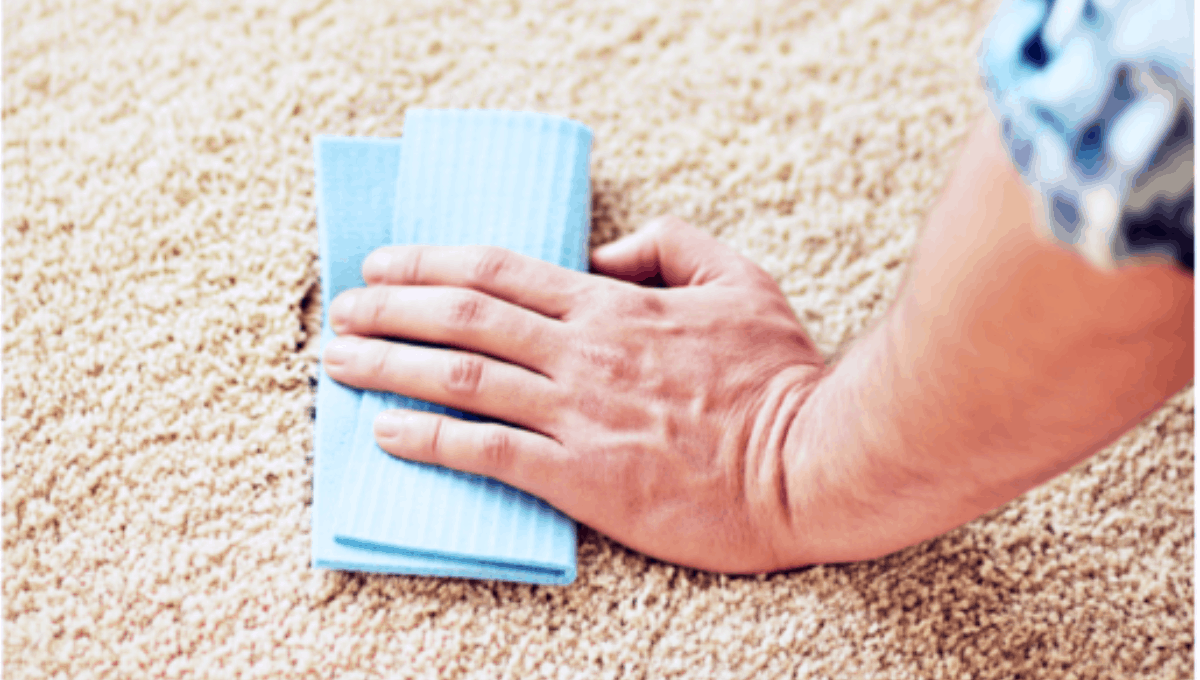
If you suspect that the cause of the stain returning is dirt caused by soap residue left by the detergent, there are a few steps you can follow to remove the stain once and for all.
- Put water on the stain: Pour a small amount of warm water onto the stain.
- Drying: Place clean white towels over the stain, weigh them down with something heavy, and let sit overnight.
- Dry the fibers as much as possible to avoid absorption.
How to remove reappearing stains caused by wicking?
If you don’t think the reappearance of the stain was caused by residue, you may be dealing with absorption. Treat the area as usual, then be sure to follow the final step of stacking towels and weights in place overnight.
If the stain returns or you are dealing with a much larger spill, the next step should be professional carpet cleaning using hot water extraction. Always make sure you choose a company that is reputable and uses a truck-mounted unit.
How to prevent the stains from reappearing?
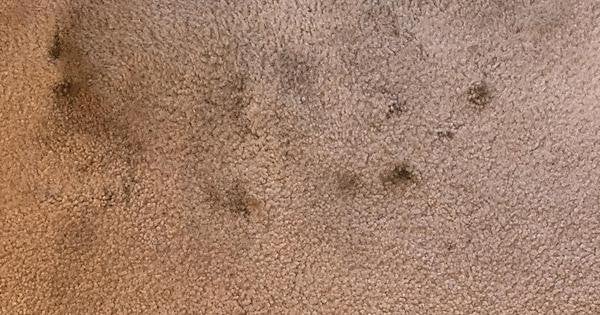
The reappearance of stains can be prevented by ensuring that stains are treated as quickly as possible when they occur to prevent them from penetrating deep into the carpet. After treatment, place a stack of paper towels or a clean white towel over the stain and use a stack of books or something heavy to weigh them down. (If you’re worried about your books getting wet or stained, place a piece of plastic wrap between the towel and the bottom book.) This will absorb any moisture left in the mat.
So how will you get rid of the stain forever? Ultimately, the answer depends on the size and severity of the spill, as well as the cause of its recurrence.
Share on social networks
latest posts published

How to use corner shelves to optimize space

Current bedding trends and how to do it

10 tips to keep your carpet looking new
Are the sofa beds intended for daily use?

Ideas for decorating the children’s bedroom

Tables best suited to small spaces or

Tables and chairs current design trends

Which sofa to choose when you have a cat?

How to remove stains from carpet?
