
Have you ever wondered what materials are used to make it the sofas that embellish our living rooms ? The diversity of fabrics and leathers offers a range of choices to satisfy different tastes and needs. In this article we explore the different materials used and discover how each of them influences the comfort, aesthetics and durability of our favorite seats.
The different materials used in the manufacture of sofas
Cotton is undeniably one of the most popular choices for sofa upholstery, and for good reason. Its naturalness, its matte appearance and its soft touch make it a very pleasant option visually and to the touch. Its ability to be dyed and printed offers a wide range of possibilities in terms of colors and patterns, allowing for customization to individual preferences. Cotton is appreciated for its ease of maintenance, being resistant to washing and even withstanding ironing at high temperatures. Making it a convenient option for busy families.
However, cotton tends to absorb odors, which can be a problem for homes where the kitchen is open to the living room or for smokers. Its propensity to absorb stains makes it a delicate fabric, which requires particular attention during cleaning and maintenance. In the long term, cotton may also have a slight tendency to pilling, which can alter its aesthetic appearance.
Linen
Known for its cool feel, linen always stays cool to the touch. Making it an ideal choice for warm climates and summer seasons. Its resistance and waterproofness make it a very popular material for sofa coverings. It is an option that lasts over time and allows good air circulation for optimal comfort.
Linen’s tendency to wrinkle may be seen as a flaw by some, although it is often seen as a desirable aesthetic feature in current fashion trends. Compared to cotton, linen is less durable, which may be a factor to consider depending on the intended use of the sofa. Linen’s higher cost makes it a more expensive option than other materials and limits its affordability for some consumers.
wool
Wool is often considered a luxurious and unusual material for sofa upholstery. Known for its warmth and comfort, wool offers a soft, snug feel. But wool has natural water-repellent properties. This means that liquids do not penetrate directly into the fibers, but form droplets on the surface, making stain cleaning easier and reducing the risk of permanent stains.
Due to its delicate structure, wool tends to deform easily, especially if subjected to daily use. This can cause areas of wear and compression in the most stressed parts of the sofa, compromising its appearance and durability over time.
Microfibre
Available in many models, some specifically designed for removable and transformable sofas, microfibre coverings offer considerable resistance whilst rivaling the softness of natural fibres. Examples such as alcantara or suede demonstrate this softness, as well as their ability to be easily machine washable at 30°C. Microfibre requires little maintenance, a simple wipe with a sponge is often enough to remove light stains, and it has the advantage of not requiring ironing because it comes out of the washing machine almost without creases.
Despite its advantages, microfiber is a synthetic fiber derived from petrochemical products, which makes it polluting both during its manufacture and during its disposal. Being a plastic material, microfiber contributes to the pollution of seas and oceans, raising significant environmental concerns.
Velvet
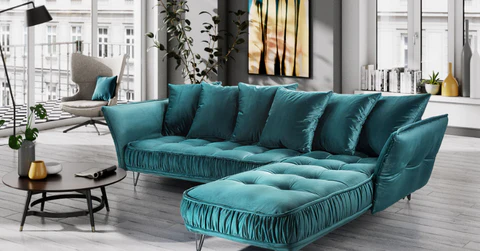
This soft-touch fabric offers an understated sheen and rich texture that creates a warm, inviting atmosphere in any room. In addition to its attractive aesthetic appearance, the velvet It is also prized for its durability and wear resistance, making it a practical choice for busy homes.
Due to its soft texture, velvet tends to collect dust and pet hair more easily than other fabrics, requiring regular maintenance to maintain its original appearance. Some types of velvet can be prone to stains and require specialized cleaning to remove them without damaging the fabric.
The modals
Made from natural cellulose fibers, typically derived from beech wood, modal offers a soft feel comparable to silk, while being more durable and easier to care for. Modal covered sofas offer superior comfort and a smooth texture that is pleasant to the touch. It is known for its breathability, making it suitable for use in a variety of climates. However, as with any fabric, it is important to follow specific care instructions to ensure the longevity and beauty of your modal upholstery.
The viscose
Viscose is appreciated for its shine, its silk-like softness and its ability to intensify colors thanks to the excellent absorption of dyes. Unlike other fabrics, viscose maintains its luster and stability over time, providing a durable and aesthetic option for sofa upholstery. However, viscose production generates a significant amount of chemical waste, raising environmental concerns. Viscose is also a bit stretchy and tends to wrinkle easily, requiring regular maintenance to maintain its appearance.
Skin
Skin it is a material appreciated for its elegance, durability and luxurious feel. There are different types of leather used, each offering unique characteristics in terms of appearance, texture and quality. However, it can sometimes be difficult for consumers to differentiate between different skin types and understand the distinctions.
Some of the most common types of leather include full-grain leather, which is considered the most premium due to its superior quality and durability. Aniline leather, on the other hand, is known for its softness and natural finish, although it is more susceptible to stains and discoloration. Semi-aniline leather is a compromise between full-grain leather and aniline, offering a lightly treated finish for improved stain resistance while maintaining a natural feel.
In addition to these types of leather, there are other variations such as nubuck leather, suede and regenerated leather. Understanding these distinctions can help consumers choose the type of leather that best suits their sofa’s style, durability and maintenance needs.
The different materials used in the production of sofas offer a variety of options to suit individual preferences. They determine what the sofa will look like and how much it will cost you. For this reason, knowing their properties is essential if you want to buy a sofa that satisfies you.
latest posts published

How to use corner shelves to optimize space

Current bedding trends and how to do it

10 tips to keep your carpet looking new
Are the sofa beds intended for daily use?

Ideas for decorating the children’s bedroom

Tables best suited to small spaces or

Tables and chairs current design trends

Which sofa to choose when you have a cat?

How to remove stains from carpet?
