

The sofa occupies a central place in our living rooms as a place for entertainment or relaxation. During use, debris and stains accumulate from food and drink spills, pets and dirty feet. Eventually the sofa will get dirty and will need to be cleaned. But how do you clean a sofa covered with an upholstery that doesn’t tolerate water-based detergents? Discover in this article the steps to follow to clean a fabric sofa without water.
How do you know if the sofa fabric can’t be cleaned with water?
Before you damage the fabric or shrink the upholstery by scrubbing the sofa with soap and water, you need to check the correct way to clean the fabric.
The best way to determine how to clean your upholstery is to look for the care label. Take the time to look for the label under the sofa or pillows.
There is a code on the label that will determine whether you can use water-based or solvent-based cleaners. If there is no label, you will need to test in an inconspicuous area to see how the fabric reacts when treated with solvent or water.
Upholstery care label codes
- Code W: The fabric can be cleaned with water-based care products.
- Code S: Fabric can only be cleaned with dry cleaning or waterless solvent to remove stains and dirt.
- Code WS: The covering can be cleaned with water or solvent based products.
- Code X: The fabric can only be cleaned with a vacuum cleaner or by a professional. Any type of household cleaning product can cause stains and shrinkage.
What you will need
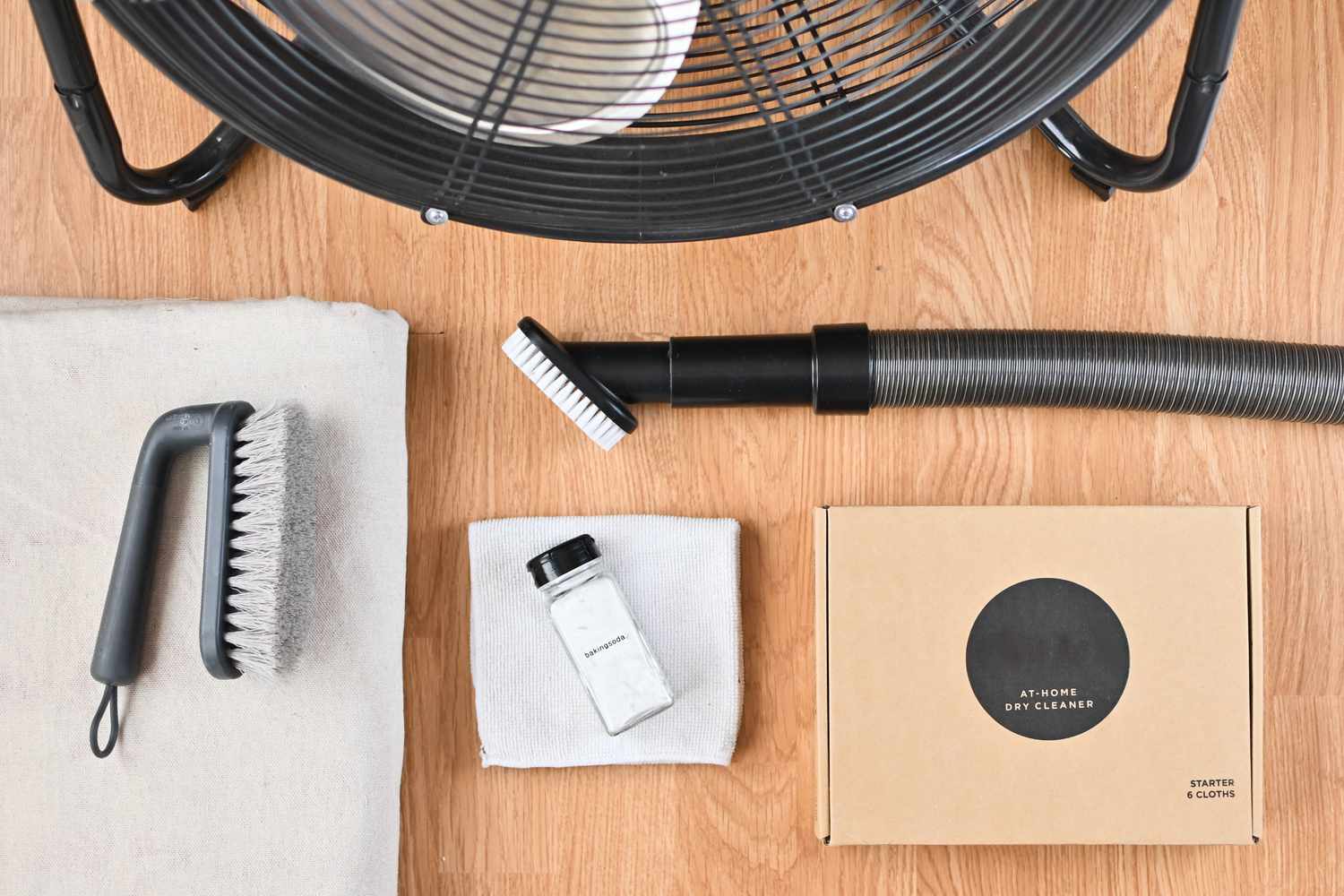
Equipment/Tools
- Vacuuming with upholstery tools
- Chiffon microfibre
- Soft bristle brush
- Protective sheet or tarpaulin
- Circulation
Materials
- Dry cleaning solvent
- Baking soda
Steps to follow
1- Vacuum the sofa
Vacuuming regularly removes dust and dirt that settles on the upholstery over time, leaving it dull and dirty. The most effective vacuum cleaner is one that comes with a hose and upholstery accessories such as a crevice tool, electric brush head, and upholstery brush. However, a handheld vacuum cleaner will also help remove surface dust.
Start at the top of the sofa and slowly move the vacuum cleaner over the upholstery. If you don’t have an upholstery tool, use a soft brush to gently loosen the soil before vacuuming it. Remember to clean under the removable cushions, the back of the sofa and the fabric sides fixed to the structure.
Also, to eliminate odors and revive the fabric, sprinkle the padding with dry baking soda. Use a soft bristle brush to gently press it into the fabric. Let the baking soda sit for at least an hour or overnight. Finally, vacuum up the baking soda and accumulated dust.
2- Improves air circulation and eliminates dangers
- Before using a dry cleaning solvent, you should extinguish all sources of fire (candles, wax heaters, fireplaces) or move the sofa to another location before cleaning.
- Do not smoke or use e-cigarettes when using dry cleaning solvents.
- The fumes from dry cleaning solvents are strong, so improve room ventilation by opening windows or doors or adding a fan.
- Protect painted and finished wooden surfaces (floors and moldings) with a sheet. Solvent can permanently damage the finish.
3- Carry out a test with dry cleaning solvent
Dry cleaning solvent refers to waterless hydrocarbon compounds used to clean delicate or dye-fast fabrics that may be damaged when using water-based cleaning methods. The solvent is toxic and flammable and must be used and disposed of with caution.
Before cleaning stains or heavily soiled areas, test the selected dry cleaning solvent in an inconspicuous area. Dampen a white microfiber cloth with a little solvent and rub it on a hidden area under a pillow. Let the area dry. Take note of any color changes or color transfers to the fabric. If there is none, the product can safely be used to clean larger areas.
The solvent can be purchased online, at fabric care or home improvement stores.
4- Clean stains and heavily soiled areas
To clean stains and heavily soiled areas such as armrests, moisten a clean cloth with dry cleaning solvent. Start at the outer edges of the soiled area to prevent the stain from spreading.
Dab the solvent onto the soiled area with the cloth, moving it to a clean area of the cloth as the dirt is transferred.
If the dirty area is large, you need to clean the entire section of the sofa (cushion, armrest) to avoid scratches or discoloration.
Dry cleaning solvents are very effective on oily stains, but may not remove all traces of water-based stains such as Kool-Aid or wine that contain dyes or tannins.
5- Dry the padding
Speed up drying times by placing a fan near the freshly cleaned upholstery. Do not use a hair dryer or heater to speed up drying. Do not place any open flames near the room until all smoke has dissipated.
How often should you clean a fabric sofa without water?
Spills and stains should be treated promptly and the sofa should be vacuumed at least once a month to remove dust and dirt from the furniture. A deep clean twice a year should keep the fabric looking its best.
Tips for keeping your Code S upholstery clean
- Vacuum upholstery regularly.
- Treat new or recently cleaned upholstery with a fabric protectant spray.
- Protect armrests with washable covers.
- Contact the furniture manufacturer if you have questions about maintenance.
So here are some steps for cleaning a fabric sofa using everyday items that you may already have at home. Keeping your sofa clean can now become part of your regular cleaning routine with this easy-to-follow process. You don’t need to buy expensive equipment or pay a lot of money for a professional service to keep your sofa clean and smelling fresh.
latest posts published

How to use corner shelves to optimize space

Current bedding trends and how to do it

10 tips to keep your carpet looking new
Are the sofa beds intended for daily use?

Ideas for decorating the children’s bedroom

Tables best suited to small spaces or

Tables and chairs current design trends

Which sofa to choose when you have a cat?

How to remove stains from carpet?
