

How to buy a good sofa?
A sofa is a significant investment in furniture that you can live with for decades, so spend extra time doing your homework before purchasing it. Style preferences are a personal matter, but when choosing a high-quality sofa, you can use objective criteria to ensure you get a good sofa. This comprehensive guide can help you find better quality and all the additional aspects to consider before purchasing.
What to consider when buying a sofa?
Space
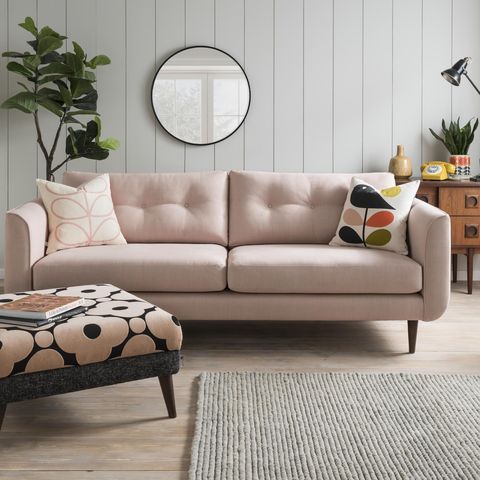
Make sure the size of the sofa doesn’t overcrowd the room or impede circulation. Measure the entire space, especially the wall you will place it against before shopping. Also measure the height, width, and end of the diagonal opening of all the doors in your home, and have these numbers on hand when purchasing your sofa.
More than one sofa has been returned to the store because the delivery service couldn’t get it through. Many sofas have legs that can be unscrewed and removed for ease of delivery, and in some cases a door can be removed from its hinges to make the opening wide enough to slide a large sofa inside.
Also consider the style of your space. Sofas come in many styles, such as contemporary, mid-century modern, Scandinavian, Victorian, etc. Spend more time narrowing down your sofa options based on your style.
Materials
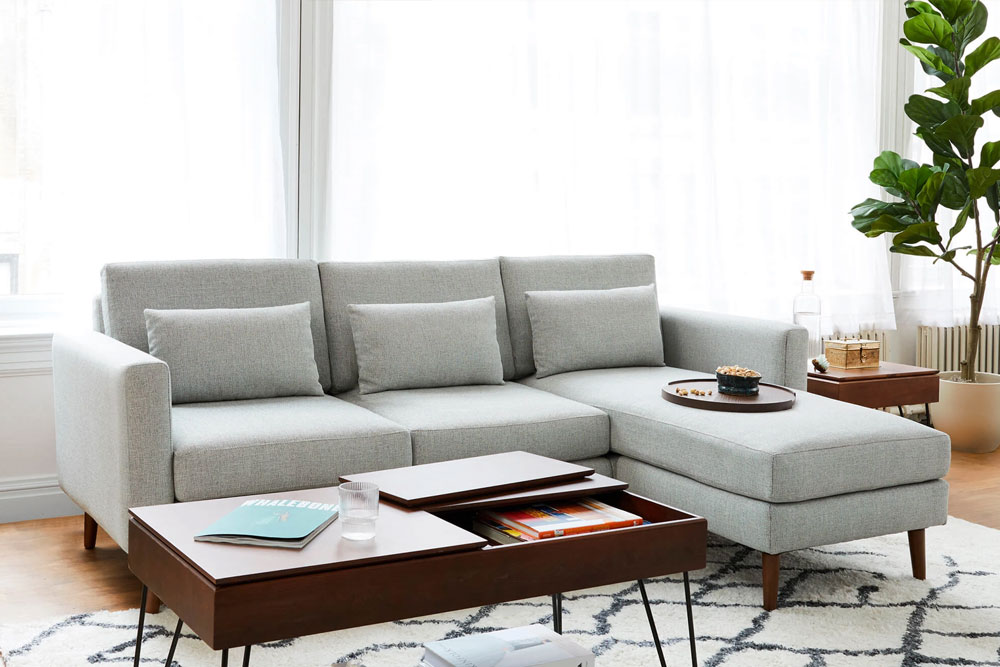
To keep your sofa looking its best, it is important to choose the right fabric. If you have children or pets, you will naturally want a more durable and easy to clean material. Sofas with high-maintenance fabrics, such as silk, are best suited for little-used areas. Microfibres are ideal for heavy use areas, they are attractive and easy to clean. Textured fabrics last longer than smooth fabrics, and the best option if you’re looking for longevity is leather.
Like well-cut suits, patterns and stripes should match the seams. While it may not catch your attention right away, mismatched patterns or stripes will make you feel like something is wrong. The matching stripes on the seams give the sofa a well-finished look. Patterns should be centered and all seams and piping should be straight. Uneven piping and stitching that pulls to one side indicates that the manufacturer fitted the cover incorrectly. A higher thread count indicates a tighter weave and a more durable fabric with fabric fill.
There is a lot of discussion about what is the best padding for sofa cushions. Many people like upholstered sofas or very soft pillows. Polyurethane foam is the most commonly used material, but it’s essential to find a balance between a firm foam that lasts a long time but may be a little too firm and a soft foam that is truly comfortable.
High Resilience (HR) foam is a step up from polyurethane, making it a comfortable and durable pillow. Some experts recommend a hybrid pillow made of HR foam wrapped in down and feathers, which combines durability and comfort. Expensive sofas often use goose down mixed with feathers, but you’ll pay a lot for this luxury and the cushions will need to be plumped frequently.
Upholstery and cushions can be replaced when they become old and worn, but a sofa cannot be considered good if it does not have a solid and quality internal structure. If your goal is to buy a good sofa, start by looking at the structure carefully. Cheaper sofas may have particle board, plastic or metal frames, but a good quality sofa will have a solid wood frame, preferably a “kiln-dried” hardwood frame of oak, beech or ash. Pine frames are inexpensive but start to warp after about five years.
Measure
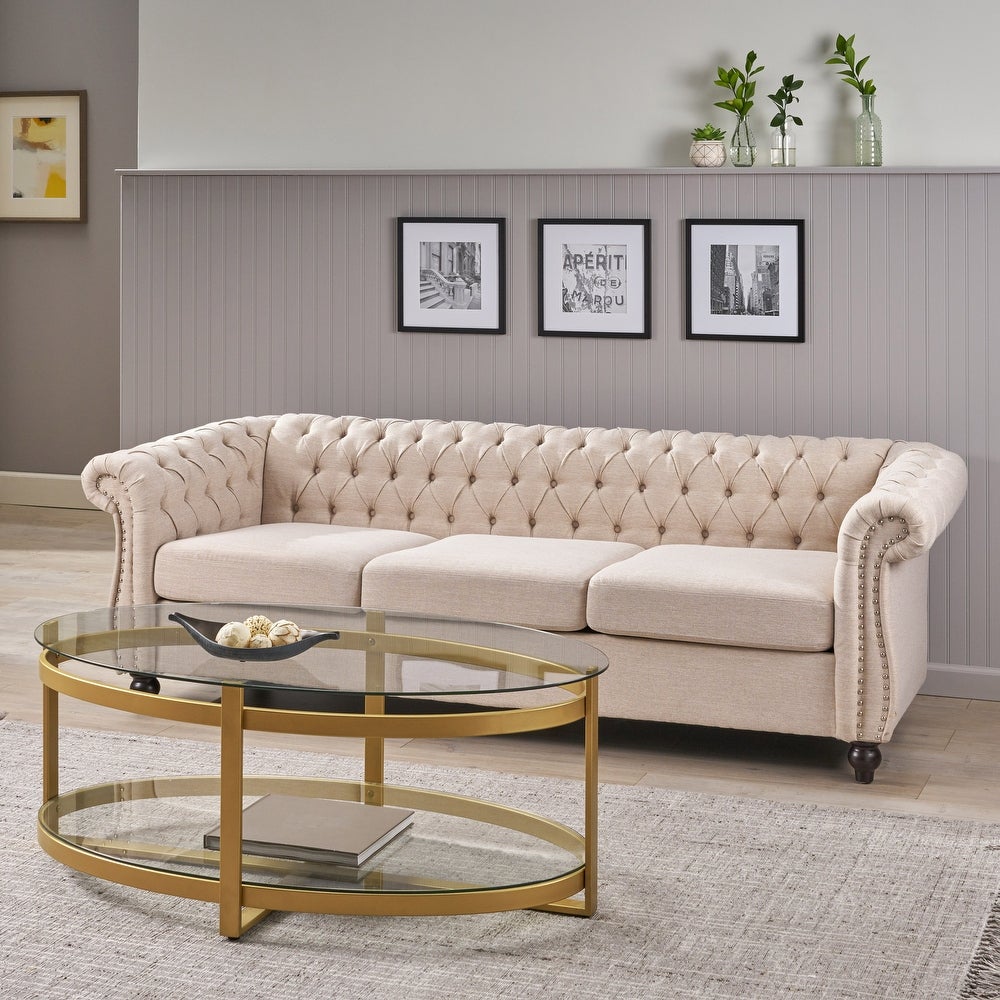
Choose the size that best suits your sofa plans: entertaining, relaxing, reading, whatever. Seating should be comfortable for all family members and you should get a sofa large enough to accommodate all family members. Consider a larger sofa or pair it with armchairs or additional seating if you often have guests over. The rule of thumb for room proportionality is that the sofa should be about 2/3 the size of the wall it will rest against. It should not fill the entire wall and there should be space on both sides.
Another sizing consideration is seat depth. Select deep or shallow seats, depending on your height. If you purchase a reclining sofa, make sure it is comfortable in all positions. The back of the sofa should adequately support your back with your feet flat on the floor and the backs of your knees. And if you like to nap on the couch, lie down on the couch and see if it’s long enough for a comfortable nap.
Characteristics
Consider your current sofa or sofas you have used in the past and what you would like to add to it, if possible. Sofas can have cup holders, reclining seats, built-in beds, replaceable covers, built-in storage compartments and other features to meet buyers’ needs and offer more customization options. Some have built-in coolers and outlets for charging devices. Knowing what you want most can help you explore the range of features available.
Types of sofas
Sectionals
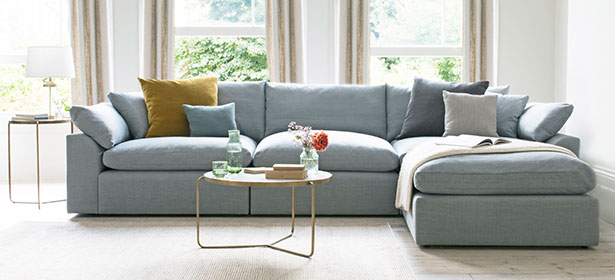
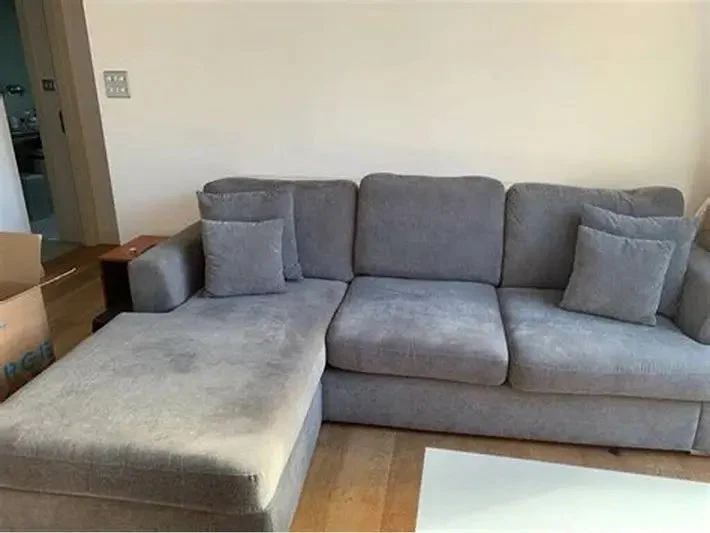
Unlike a conventional sofa, sectional sofas are versatile and have several independent pieces that you can arrange in different ways. Sectional sofas are generally available in “L” or “U” configurations that create great and comfortable conversation environments. This type of sofa is suitable for people who often have visitors or who have larger families. For greater comfort it is also possible to have reclining sectional sofas.
Sofa beds
Sofa beds are a great option for smaller spaces or if you often host overnight guests. Sofa beds have built-in beds that fold out from the sofa, usually with a soft surface included, similar in width to a full-size mattress. Once notoriously uncomfortable, modern sofa beds have evolved to provide relatively comfortable sleeping surfaces.
Reclining sofas
Some sofas will have seats, usually at either end of the sofa, with built-in recliners. These styles offer the same comfort and mechanism as recliners but with the width of a sofa. Designed for people who like to relax at the end of the day, recliners save you the space of an ottoman. Reclining sofas are also perfect for homes with a theater room or for those with circulation problems, who benefit from resting with their legs raised.
Outdoor sofas
Purchasing a sofa that you can use indoors and outdoors is best suited for high-traffic spaces and transformable indoor-outdoor spaces. Outdoor fabrics have improved to the point where they are as luxurious as indoor fabrics and offer ease of cleaning and durability.
In conclusion, purchasing the right sofa will mainly depend on your interior space, the materials used in its construction, its dimensions, its features and the type of sofa you are looking for. Considering all these parameters before purchasing a sofa will definitely guarantee you an excellent choice.
latest posts published

How to use corner shelves to optimize space

Current bedding trends and how to do it

10 tips to keep your carpet looking new
Are the sofa beds intended for daily use?

Ideas for decorating the children’s bedroom

Tables best suited to small spaces or

Tables and chairs current design trends

Which sofa to choose when you have a cat?

How to remove stains from carpet?
