

How to brighten any room nA well-lit room appears finished and inviting, while a dimly lit room can appear dark and incomplete. But some people sometimes overlook the complexity of lighting a room to its fullest potential. Just as natural light changes throughout the day and depending on the season, your lighting scheme should be dynamic, facilitating a variety of activities and creating different moods.
Discover in this article a short guide that will help you understand how to integrate lighting to improve the functionality of your home and make your furniture shine.
Every room needs three types of light

Different rooms have different lighting needs, but ideally each room should have three different types of lighting. The main categories of lighting include general lighting that will illuminate the room as a whole; functional lighting for reading, meal preparation or office work and decorative accent lighting that creates atmosphere. Choosing the right combination of lighting fixtures such as ceiling lights, chandeliers or pendants, table lamps, desk lamps, sconces, floor lamps, decorative accent lighting and even candles will make every room in your home look and feel its best.
Rely on existing light sources
Your home or apartment may already have built-in lighting, such as ceiling lights in the bedroom, recessed ceiling lights in the living room, kitchen counter lighting under kitchen cabinets, or hard-wired sconces on the wall above the bathroom sink. But built-in lighting should never be the only source of lighting in a room. While homeowners can always replace unsightly light fixtures or rewire a room during renovations, renters can work around existing fixtures like a dated ceiling light by adding floor lamps, decorative accent lighting, or wall sconces that distract the eye and improve the overall look.
While interior designers include lighting in every step of their decorating plan, DIY decorators may find it easier to add lighting as a final step that brings the room together once the rest of the furniture and decorations have been chosen. This doesn’t mean, however, that lighting should be considered an afterthought. Make sure you include enough space in your renovation budget to give every room in your home or corner of your home office the lighting it deserves, knowing that there are options at every price point that will get the job done in style.
Hot or cold
The intensity and temperature of the light emitted by recessed and other lighting fixtures can be changed by choosing the bulb or using a dimmer.
A warm, soft light will create a welcoming atmosphere in areas such as the living room or bedroom. Use warm-toned LED bulbs and choose fixtures made of materials that will create a warm light, such as lamps with fabric or woven shades, wood veneer, or metal sconces in brass, gold, or copper colors.
Cool, bright light works well in kitchens and bathrooms, but consider adding dimmers and warmer-toned secondary lighting so you can change the mood while bathing or for trips to the bathroom in the middle of the night.
Piece by piece
While general lighting principles apply to every room in your home, different spaces also have unique considerations. Here are some important points to keep in mind when lighting specific rooms in your home.
Living room or family room
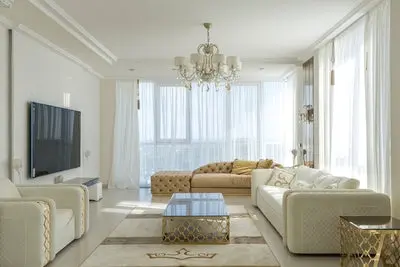
Home and family room lighting can be equipped with central ceiling lights or integrated lighting. But unless the room is large and deep, the living room does not need overhead lighting to be well lit. Just make sure you add enough lighting to illuminate the space as a whole and that each area of the room has its own lighting. This could mean, for example, a large arched floor lamp above the main seating area, sculptural sconces behind the sofa, a table lamp on the coffee table between two armchairs.
Kitchen
The kitchen is the hub of the home, a room that requires careful attention to general and task lighting for everything from meal preparation to cooking, homework, cleaning and other activities. In a kitchen, general lighting can take the form of recessed ceiling lights, pendant lights that anchor the island, and under-cabinet LED lighting that illuminates the counters. Direct lighting is a priority in this room, both for safety in preparing and cooking meals, and for cleaning. Make sure the stove and counters are well lit and that the dining area is bright enough to let you see what you’re eating, but soft enough to make you feel relaxed while doing so.
Dining room
There’s a reason why some restaurants light candles or add small table lamps to dining tables, creating a nice, relaxing environment to enjoy a meal and conversation. Many dining rooms feature a chandelier or pendant light suspended above the dining table as a source of general lighting and as a decorative accent that defines the space. Just make sure you hang it at the perfect height, which may be lower than you think to create the right look and feel when lit. If possible, place your dining room lamp on a dimmer so you can easily make changes throughout the evening.
Bath
Bathrooms of all sizes often require different types of fixtures to be well-lit so you can bathe, shower, shave, apply skin care or makeup safely and thoroughly, and keep them sparkling clean. But bathrooms are also multifunctional spaces that must also be relaxing and have different lighting needs depending on the task and time of day. Make sure your bathroom is well lit, but don’t be afraid to add decorative lighting that will help it feel like the oasis it should be.
This could mean a decorative wall light that doubles as a night light or an LED light chain that is simply there to make the room as special and thoughtfully decorated as the rest of the house.
Bedroom
Controlling natural light from bedroom windows by using window treatments such as blinds, blinds and drapes is critical to ensuring privacy and a good night’s sleep. It is also important to light your bedroom well to create a relaxing atmosphere during the night that will help you relax before going to bed. Your bedroom lighting should include general lighting for tasks like getting dressed in the morning, bedside lamps for nighttime reading, and accent lighting for ambiance. If you choose to install a ceiling light in your bedroom, make it a sculptural pendant that will create a focal point when off and produce a soft, diffused light when on.
In conclusion, whatever room you want to illuminate, there is always a type of lighting suitable for every environment. Don’t hesitate to consider these ideas to get better lighting in every room of your home.
latest posts published

How to use corner shelves to optimize space

Current bedding trends and how to do it
10 tips to keep your carpet looking new

Are the sofa beds intended for daily use?

Ideas for decorating the children’s bedroom

Tables best suited to small spaces or

Tables and chairs current design trends

Which sofa to choose when you have a cat?

How to remove stains from carpet?
