

Turkish culture is a real melting pot of different traditions, customs and influences. It is known for its artistic richness, particularly in architecture and the decorative arts. Turkish furniture is also an essential part of this cultural heritage and is increasingly appreciated around the world for its quality, unique style and timeless character. What are the characteristics of Turkish furniture that make it so attractive? How do they integrate into traditional Turkish architecture and interior design? What are the influences that shaped their design and style? Discover in this article everything you should know about Turkish furniture in architecture.
Features of Turkish furniture
Turkish furniture is often recognized for its unique style and superior craftsmanship. They are made from natural materials, including wood, leather and fabrics, to create timeless and durable pieces. The patterns and colors typical of Turkish furniture are also unique and varied, ranging from bright, saturated tones to softer, pastel tones.
Leather is a frequently used material in Turkish furniture and is often worked to form intricate patterns. Turkish leather sofas, armchairs and chairs often feature curved, organic shapes, giving them an elegant and comfortable appearance. Cushions are also an important element of Turkish furniture, with designs often reflecting the richness of Turkish culture.
Turkish furniture is often considered the centerpiece of interior design because it can bring a unique character to any room in the house. Turkish sofas and sofas are particularly popular for their distinctive style and superior comfort. Turkish coffee tables are also very popular for their elegant design and practicality.
The functions of Turkish furniture in architecture
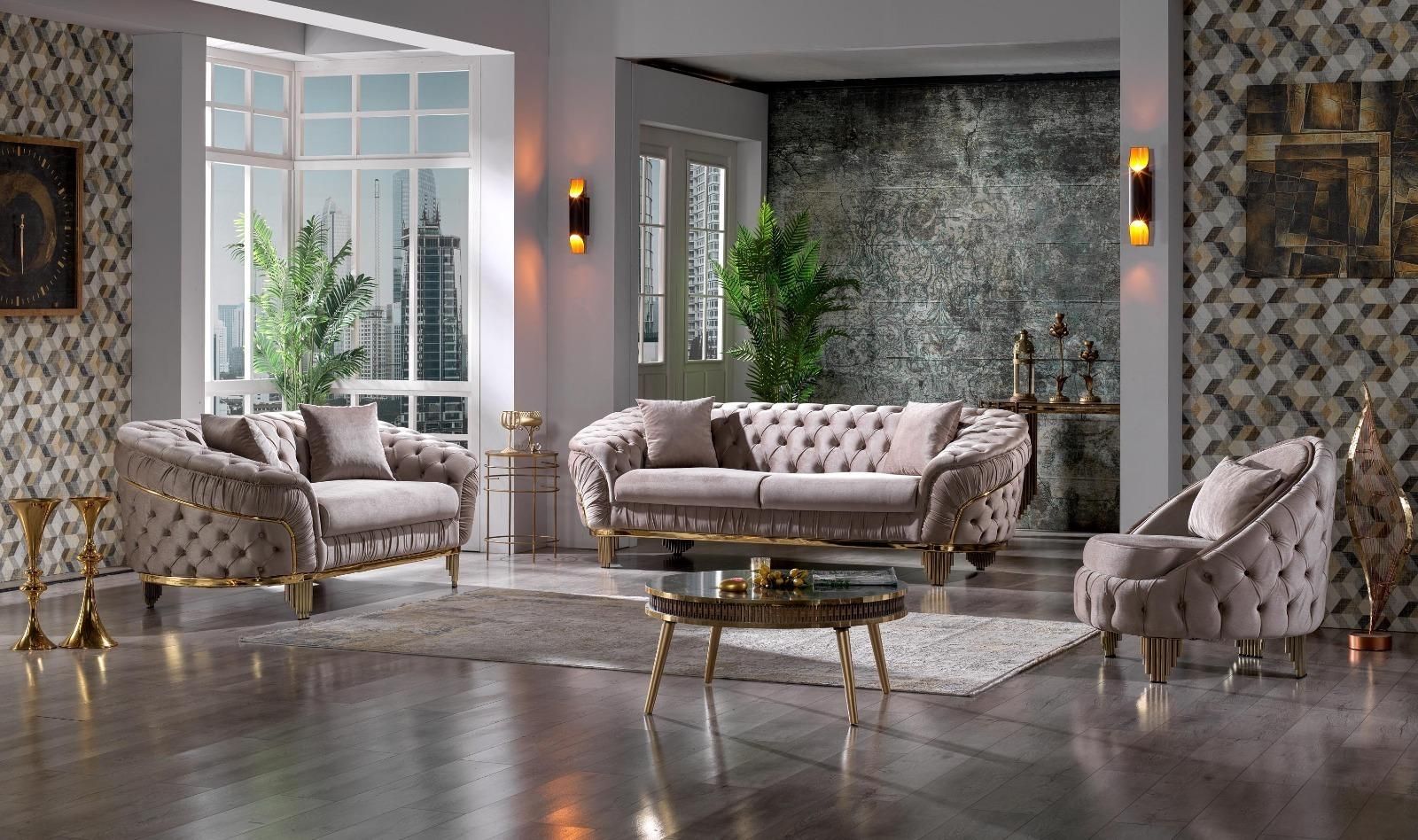
Turkish furniture plays an important role in traditional Turkish architecture. They are often integrated into the design of the space and can perform many different functions. Traditional Turkish living rooms, for example, are often furnished with sofas, sofas and cushions, arranged to encourage conversation and social interaction.
Turkish chairs and tables are also used in Turkish restaurants and cafes, where they create a warm and friendly atmosphere. Turkish furniture is found in homes, mosques, palaces and Turkish baths, as well as modern hotels and restaurants.
Turkish furniture also has important cultural and symbolic meaning. Turkish sofas, for example, are often associated with family and hospitality, as they allow guests to be welcomed comfortably. Turkish carpets, on the other hand, are often used as wall decorations, but also to cover floors and to create a warm and comfortable atmosphere.
In addition to the decorative function, Turkish furniture is also functional. Turkish tables and shelves are often used to display artwork and books, while cushions and rugs can be used for sitting and resting. Turkish furniture is therefore both beautiful and practical and occupies an important place in traditional Turkish architecture.
Turkish furniture therefore has a variety of functions in architecture, ranging from decoration and creating environments to more practical functions such as storage and seating. They also have important cultural and symbolic meaning, reflecting the rich Turkish tradition of hospitality and friendliness.
The influences of Turkish architecture on furniture
Turkish architecture is known for its unique style and rich history, which has greatly influenced Turkish furniture design. Turkish furniture is often inspired by the shapes, patterns and colors of Turkish architecture, giving it a distinctive look and important cultural significance.
Traditional Turkish architecture is characterized by the use of natural materials such as wood, stone and brick, as well as intricate designs and decorations. Turkish furniture, on the other hand, is also made from natural materials such as wood and leather, and is often decorated with intricate designs such as floral, geometric or calligraphic motifs.
The curved and organic shapes of Turkish architecture are also present in Turkish furniture, especially in Turkish leather sofas and armchairs. These elegant and comfortable shapes give Turkish furniture a distinct look and make sitting and relaxing comfortable.
Colors are also an important element of Turkish architecture, with a palette ranging from bright, saturated tones to softer, pastel tones. Turkish furniture reflects this color palette, with fabrics and cushions in bright hues and woods stained in soft, warm tones.
Finally, Turkish architecture is also characterized by calligraphic motifs, which are often used in Turkish mosques and palaces. Turkish furniture also incorporates these designs, especially on fabrics and pillows, giving them cultural meaning and a unique look.
Current trends of Turkish furniture in architecture
Current trends in Turkish furniture in architecture show a combination of tradition and modernity. Turkish designers are becoming more creative and innovative, incorporating modern elements into Turkish furniture while preserving cultural and historical heritage.
One of the current trends is the use of recycled and eco-friendly materials in the production of Turkish furniture. Turkish designers are aware of the impact of furniture production on the environment and seek to reduce their carbon footprint by using eco-friendly materials such as recycled wood, vegetable leather and natural fibres.
Innovation is also present in Turkish furniture design, with more modern and streamlined designs offering a minimalist and elegant aesthetic. Turkish furniture is increasingly functional, with integrated storage and multifunctional spaces.
Trendy colors for Turkish furniture are neutral tones such as white, beige and grey, as well as pastel colors such as pale pink and mint green. However, traditional colors such as red, blue and yellow remain popular and are often used to add a pop of color to a room.
Geometric patterns continue to be present in Turkish furniture today, but with a more modern approach. Turkish designers use abstract and asymmetric geometric patterns to add texture and depth to furniture, while maintaining traditional aesthetics.
It is also worth considering that Turkish furniture is increasingly adapting to modern lifestyles, with transformable sofas, extendable tables and folding furniture. This adaptability allows Turkish furniture to easily adapt to modern living spaces, preserving its unique character and cultural heritage.
In short, Turkish architecture and Turkish furniture are closely related, reflecting the history and culture of Türkiye. The characteristics of Turkish furniture, its functionality, adaptability, as well as the influence of Turkish architecture on its design, show the importance of tradition and innovation in the Turkish furniture industry. Current trends in Turkish furniture in architecture reflect this combination of tradition and modernity, while trying to meet the needs and tastes of modern customers. Therefore, Turkish furniture will undoubtedly continue to play an important role in the furniture industry and architecture around the world.
latest posts published

How to use corner shelves to optimize space

Current bedding trends and how to do it
10 tips to keep your carpet looking new
Are the sofa beds intended for daily use?

Ideas for decorating the children’s bedroom

Tables best suited to small spaces or

Tables and chairs current design trends

Which sofa to choose when you have a cat?

How to remove stains from carpet?
