

Turkish furniture is known for its elegance, sophistication and unique designs that reflect the history and culture of this country. If you are looking for original furniture for your interior, Turkish furniture is an interesting choice that can give a touch of exoticism and sophistication to your decor. But what really distinguishes Turkish furniture from other furniture styles? In this article we will explore the distinctive characteristics of Turkish furniture, its history, its different styles, its uses and how to integrate it into your interiors. Get ready to discover the art and craftsmanship of Turkish furniture and be inspired by its patterns, colors and traditional craftsmanship techniques.
History of Turkish furniture
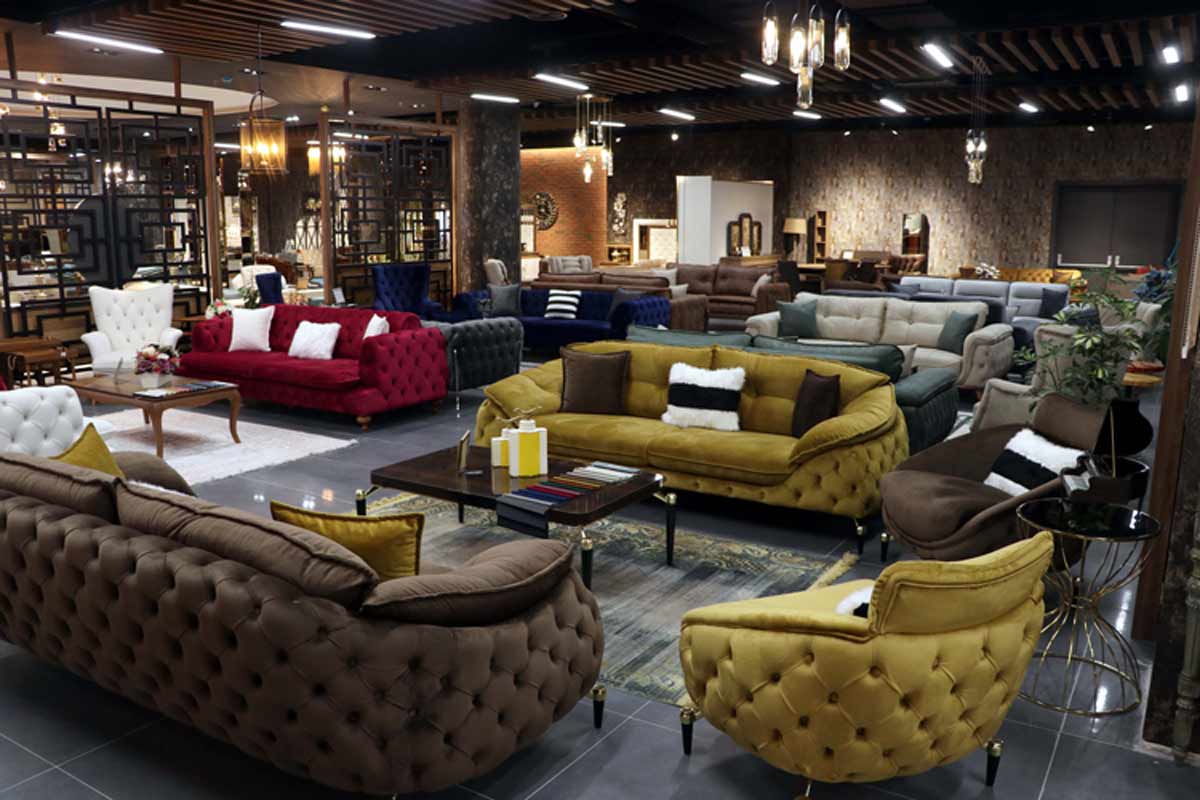
The history of Turkish furniture dates back thousands of years. Over the centuries, Turkey has been home to numerous civilizations and empires, which have influenced the evolution of Turkish furniture.
Origin and evolution
Turkish furniture was influenced by Persian, Arabic and Asian styles. The first examples of Turkish furniture date back to the 12th century, when the Turks began to settle in Anatolia. Turkish furniture then evolved under the Ottoman Empire, which ruled the region for over 600 years. At that time Turkish furniture was considered symbols of wealth and prestige. Turkish craftsmen developed advanced carpentry techniques and used luxurious materials such as cedar, walnut, copper, and bronze to create elegant furniture.
Distinctive features
Turkish furniture stands out for its unique design and use of intricate patterns and colors. Ottoman furniture, for example, was often covered in leather and velvet and decorated with intricate geometric designs. Anatolian furniture, on the other hand, was often simpler and more utilitarian, but also included decorative elements such as mother-of-pearl inlays. Modern Turkish furniture is also influenced by the craftsmanship traditions of the past, but also incorporates contemporary design elements.
Cultural influence
Turkish history and culture have also influenced Turkish furniture. For example, Ottoman furniture was often used in harems and palaces, which explains its association with luxury and prestige. The patterns and colors of Turkish furniture also reflect Turkish artistic traditions such as calligraphy, mosaic and ceramics.
In summary, the history of Turkish furniture is rich and complex and reflects the evolution of Türkiye as a country and culture. Turkish furniture is a blend of Persian, Arabic and Asian influences, as well as the legacy of the Ottoman Empire. Distinctive features of Turkish furniture include unique designs, use of luxurious materials, and intricate patterns and colors. These characteristics are the result of centuries of craft and cultural traditions, which continue to inspire Turkish furniture today.
Features of Turkish furniture
The characteristics of Turkish furniture are varied and complex. They reflect Turkey’s history and culture, as well as local craft traditions. Here are the main characteristics of Turkish furniture:
Unique designs
Turkish furniture stands out for its unique design and distinct aesthetics. Geometric patterns, mother-of-pearl inlays, floral designs and relief carvings are commonly used elements in Turkish furniture. Turkish furniture is also known for its curved lines and elegant shapes.
Quality materials
Turkish furniture is made of quality materials, such as cedar, walnut, oak, copper, bronze and silver. These materials are chosen for their beauty and durability.
Intricate colors and patterns
Turkish furniture is often decorated with intricate and colorful designs. Geometric patterns, floral patterns, leaf-shaped patterns, and star-shaped patterns are common. Bright colors, such as blue, red, and green, are also used to add a pop of color to furniture.
Traditional artisan techniques
Turkish furniture is made using traditional craftsmanship techniques that date back centuries. Turkish craftsmen use advanced woodworking techniques, such as inlay, carving and engraving, to create elegant and sophisticated furniture.
In summary, the characteristics of Turkish furniture are varied and complex. Unique designs, quality materials, intricate colors and patterns, traditional craftsmanship techniques and cultural influences are all elements that distinguish Turkish furniture from other furniture styles. If you are looking for elegant, sophisticated and original furniture for your interior, Turkish furniture is an interesting choice.
The different styles of Turkish furniture
Turkey is a country rich in diverse traditions and cultures, which are reflected in the numerous styles of Turkish furniture. Here are the main styles of Turkish furniture:
Ottoman furniture
Ottoman furniture is often associated with wealth and prestige. This furniture was used in the harems and palaces of the Ottoman Empire and was handcrafted by skilled craftsmen. Ottoman furniture is characterized by elaborate designs, intricate patterns, and quality materials, such as wood, leather, and silk.
Iznik furniture
Iznik furniture is inspired by the patterns and colors of the famous ceramics of Iznik, a Turkish city renowned for its ceramics. Iznik furniture is characterized by intricate floral designs and bright colors, often blue and white.
Modern Turkish furniture
Modern Turkish furniture is contemporary furniture inspired by Turkish craftsmanship traditions. This furniture is characterized by its clean design, quality materials and the use of traditional artisan techniques, such as inlay and engraving.
Turkish furniture from the Antalya region
The Antalya region, located on the Mediterranean coast of Türkiye, is renowned for producing quality solid wood furniture. Furniture from this region is characterized by rustic design and natural materials, such as oak and cedar wood.
Turkish furniture from the Kayseri region
The Kayseri region, located in central Türkiye, is renowned for producing quality rugs and kilims, as well as carved wooden furniture. Furniture from this region is characterized by elaborate designs and intricate patterns.
Uses of furniture
The uses of Turkish furniture may vary depending on different regions and historical eras. However, here are some commonly used examples:
The seats
Chairs, armchairs and sofas are common elements of Turkish furniture. Turkish seating is often designed to be comfortable and inviting, with soft cushions and rich fabrics. Traditional Ottoman chairs, for example, were often used in harems and palaces, where they served as seats for guests or as supports for food trays.
The tables
Turkish tables can be used for a variety of functions, such as dining, working or entertaining guests. Coffee tables are especially popular in Türkiye, where they are often used to serve tea or coffee. Turkish tables are often decorated with intricate and colorful designs, making them particularly decorative.
The lockers
Turkish wardrobes are often used to store clothes and personal items. Turkish cabinets are often designed with carved wooden doors, embossed designs, and mother-of-pearl inlays. Traditional Ottoman wardrobes were often used to store the clothes of sultans and members of the court.
The mirrors
Turkish mirrors are often used to decorate the walls of Turkish homes. Turkish mirrors are often designed with carved wooden frames and decorated with intricate designs. Turkish mirrors are often considered objects of art in themselves, rather than simple utilitarian objects.
Decorative objects
Turkish decorative objects, such as blown glass lamps, copper trays and ceramic vases, are often used to add a touch of color and sophistication to a room. Turkish decorative objects are often decorated with intricate and colorful designs, making them particularly attractive.
In summary, the uses of Turkish furniture are multiple and can vary depending on the regions and historical eras. However, seats, tables, cabinets, mirrors and decorative items are all common elements of Turkish furniture. If you are looking to add a touch of sophistication and color to your interior, Turkish furniture can be an interesting choice.
In conclusion, Turkish furniture is a rich and diverse decorative art that reflects the cultural heritage of Türkiye. Turkish furniture is known for its quality, sophistication and beauty, as well as its ability to add a unique touch to any room. The distinctive features of Turkish furniture, such as carved wooden ornaments, bright colors and intricate patterns, make it a popular choice among furniture enthusiasts around the world. Ultimately, Turkish furniture is an expression of Turkey’s history and culture, which has stood the test of time and continues to inspire and delight people today.
latest posts published

How to use corner shelves to optimize space

Current bedding trends and how to do it

10 tips to keep your carpet looking new
Are the sofa beds intended for daily use?

Ideas for decorating the children’s bedroom

Tables best suited to small spaces or

Tables and chairs current design trends

Which sofa to choose when you have a cat?

How to remove stains from carpet?
