

If you are an interior design enthusiast and want to add an exotic touch to your home, Turkish furniture might be just what you need. Have you ever been fascinated by the cultural and historical richness of Turkish furniture? Turkish furniture is not only beautiful and functional, but is also imbued with a deep symbolic meaning that makes it unique. In this article we explore the history of Turkish furniture, its cultural significance and the design characteristics of modern Turkish furniture. So get ready to immerse yourself in a fascinating world of beauty and culture!
Turkish furniture cultural heritage
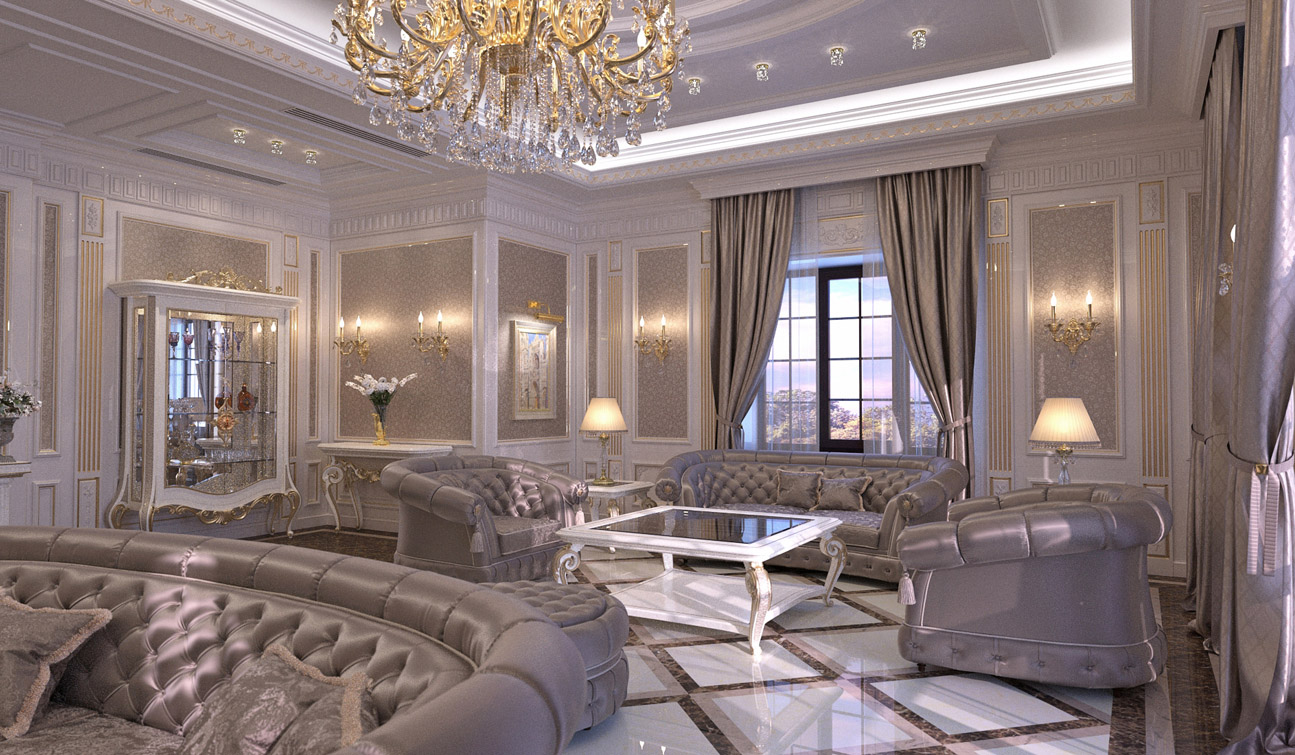
The cultural heritage of Turkish furniture is a fascinating topic to explore. Turkish furniture has a long history dating back to the Ottoman era and has been integrated by a variety of cultures over the centuries.
Turkish furniture is often associated with traditional design styles such as classic Ottoman or Seljuk, which have distinctive features such as intricate geometric patterns and bright colors. These design styles are the result of a blend of cultures that have inspired Turkey over time, including the Mongols, Persians, and Arabs.
Craftsmanship is also a key element in Turkish furniture production. Turkish artisans use traditional techniques to create unique and durable pieces and have passed down their know-how from generation to generation. The materials used to make Turkish furniture are also important, with a preference for wood, cotton and high-quality silk.
Turkish furniture is not only beautiful, but also has a deep symbolic meaning. For example, the tulip motif is often used in Turkish furniture because it represents love and fertility. Likewise, the colors used in Turkish furniture have specific symbolic meanings, such as blue representing wisdom and stability.
Modern Turkish furniture design is also constantly evolving, with a mix of tradition and modernity. Turkish designers are known for using modern materials such as glass and metal, while maintaining traditional elements such as geometric patterns.
Modern Turkish furniture design
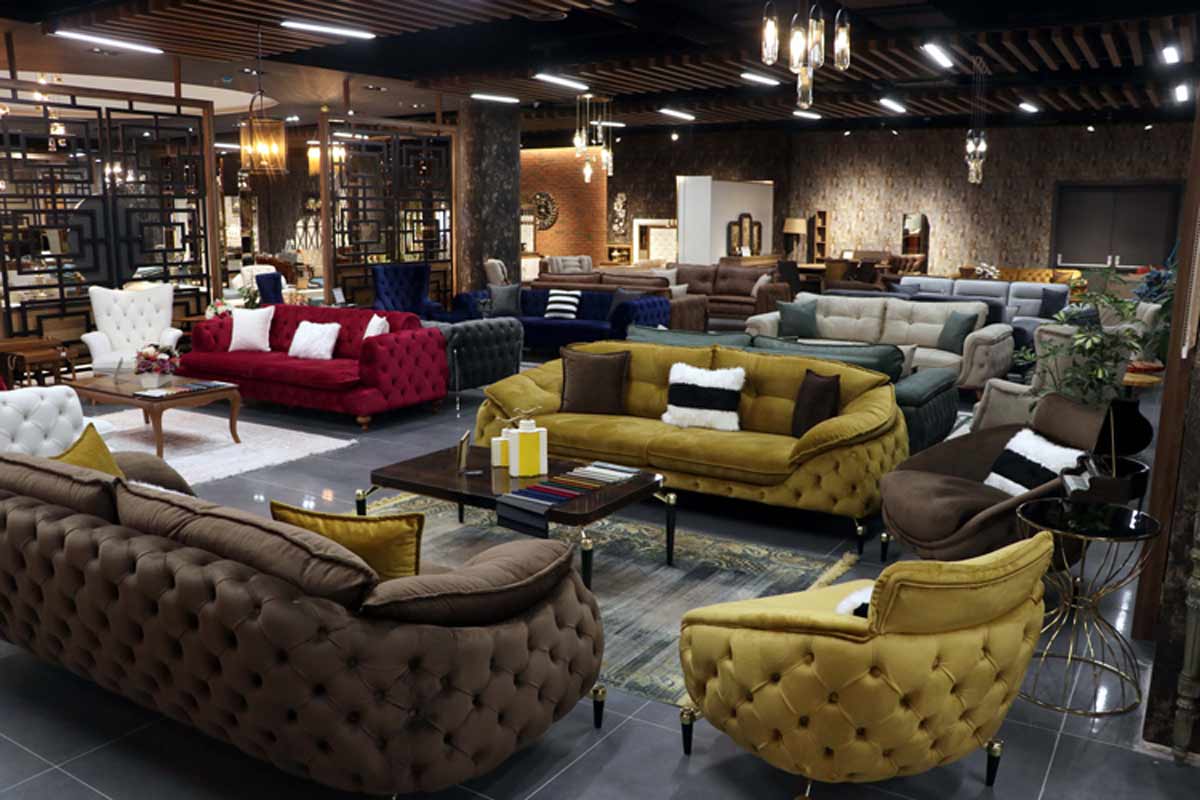
Modern Turkish furniture design is constantly evolving, with a successful fusion of traditional elements and contemporary trends. Turkish designers are known for their creativity and boldness in using modern materials such as glass, metal and plastic. They also add pops of bright colors, which contrast with the traditional geometric patterns.
Modern Turkish furniture is also characterized by its functionality and comfort. Turkish designers take into account customer needs to create furniture that meets the needs of the times. For example, modern Turkish sofas are often equipped with reclining seats, adjustable headrests and massage functions, for an optimal comfort experience.
Turkish designers are also known for their innovative use of lighting, with creative lamps and fixtures adding a touch of elegance to the room. Modern Turkish mirrors are also highly regarded for their unique design and functionality, with mirrors that can be tilted, rotated or adjusted to create different viewing angles.
Finally, modern Turkish furniture is also very durable and environmentally friendly. Designers use high-quality materials and sustainable manufacturing techniques to create furniture that lasts a long time. Additionally, they use recyclable materials to minimize their impact on the environment.
Materials used to make Turkish furniture
The materials used to make Turkish furniture have evolved over time, but the tradition is still well anchored in the use of natural and sustainable materials.
Wood is one of the most commonly used materials for Turkish furniture, as it is available in abundance in the country. Turkish artisans are renowned for their skill in woodworking, creating unique and beautifully carved furniture. The most common woods used for Turkish furniture are oak, walnut, maple and acacia.
In addition to wood, Turkish furniture can also be made from metals such as steel, brass and copper. These metals are often used for table legs, drawer handles or decorative finishes, adding a touch of sophistication and glamor to furniture.
Textiles are also an important element in Turkish furnishings, with colorful and richly decorated fabrics characterizing the country’s cultural heritage. Fabrics used for Turkish furniture include velvet, silk, and cotton, often paired with geometric and floral designs.
Finally, modern Turkish furniture also uses modern materials such as glass, plastic and composites, which offer more varied design options and greater flexibility. Turkish designers use these materials to create innovative and futuristic furniture that does not sacrifice quality or durability.
In short, the materials used to make Turkish furniture are various and depend on the type of furniture and the sought-after design style. Regardless of the material used, Turkish furniture is always made with the utmost care and attention to detail to ensure its quality and durability.
Craft techniques used in making Turkish furniture
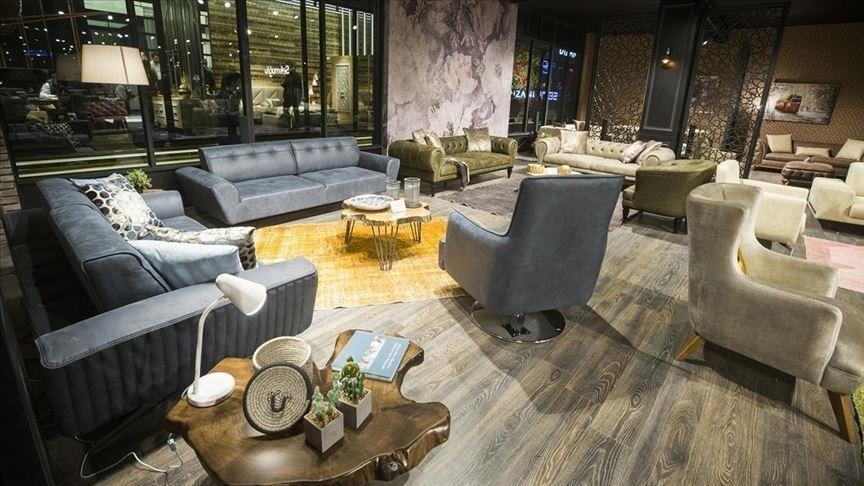
The artisanal techniques used in making Turkish furniture are a fundamental part of Turkey’s cultural heritage. These techniques are passed down from generation to generation and are an integral part of Turkish culture and identity. Turkish artisans are famous for their craftsmanship and creativity in creating unique and beautiful furniture.
Carving is one of the most commonly used techniques for making Turkish furniture. Turkish craftsmen are able to carve intricate designs and details into a variety of hardwoods, such as oak, walnut, cedar, and teak. This technique is often used to create chair legs and bases, bed headboards and decorative sculptures.
Engraving is another common technique used in the production of Turkish furniture. Turkish craftsmen are able to engrave complex designs on wooden, stone and metal surfaces. It is used to create decorative details on furniture such as mother-of-pearl or ivory inlays.
Marquetry is a wood marquetry technique used to create intricate and decorative designs. Turkish craftsmen use colorful pieces of wood to create images or patterns on the surfaces of furniture, such as tables, chests and desks. This technique requires great attention to detail and great manual skill.
Gilding is a Turkish furniture decoration technique that involves the application of fine gold to wooden or metal surfaces. This technique is often used to create decorative details on furniture, such as ornaments, door handles and mirror frames.
Mosaic is a decorative technique used in Turkish furniture making that involves assembling small pieces of colored glass or ceramic to create intricate patterns. Turkish craftsmen are known for using mosaic to create table surfaces, mirrors and serving trays.
Embroidery is a technique commonly used in the production of soft furnishings such as cushions and curtains. Embroidered designs are often inspired by nature, history and Turkish traditions.
The artisanal techniques used in making Turkish furniture testify to the experience and creativity of Turkish artisans.
In conclusion, the cultural heritage of Turkish furniture is a testimony to the richness and diversity of Turkish culture. The high-quality natural materials, artisanal techniques and creativity of Turkish artisans have enabled the creation of durable, beautifully crafted furniture that has stood the test of time. Modern Turkish furniture design, which draws on this heritage, continues to amaze furniture lovers everywhere. It is therefore essential to continue to support Turkish craftsmanship and pass on these skills to the next generation of artisans for this cultural heritage to last.
Keywords: Turkish furniture
latest posts published

How to use corner shelves to optimize space

Current bedding trends and how to do it

10 tips to keep your carpet looking new
Are the sofa beds intended for daily use?

Ideas for decorating the children’s bedroom

Tables best suited to small spaces or

Tables and chairs current design trends

Which sofa to choose when you have a cat?

How to remove stains from carpet?
